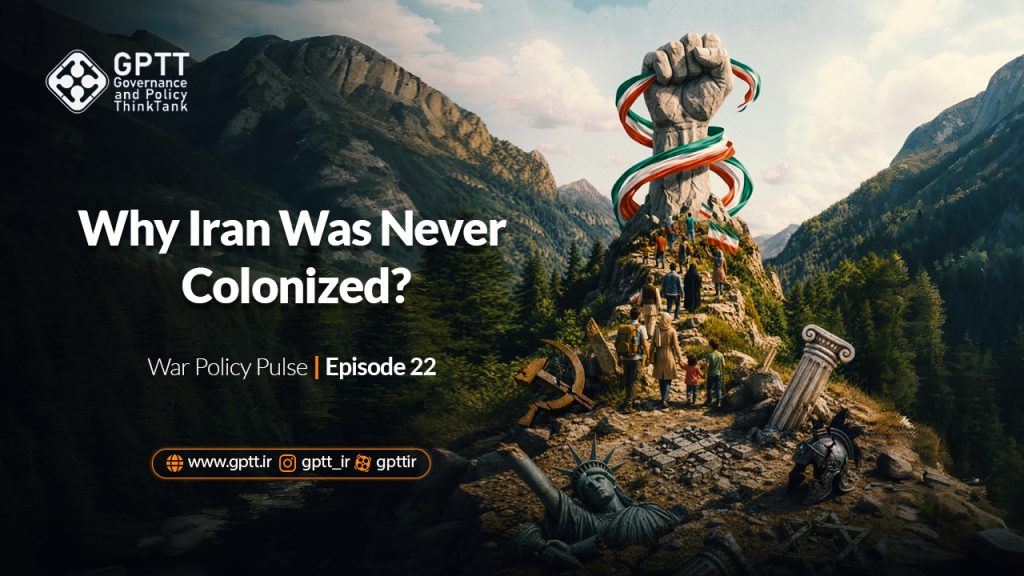
Why Was Iran Never Colonized?
Iran preserved its sovereignty through the interaction of internal agency, civilizational continuity and external constraints.
Complete collection
Explore the complete War Policy Pulse series, from regional security and diplomacy to national resilience and world order.
Iran preserved its sovereignty through the interaction of internal agency, civilizational continuity and external constraints.
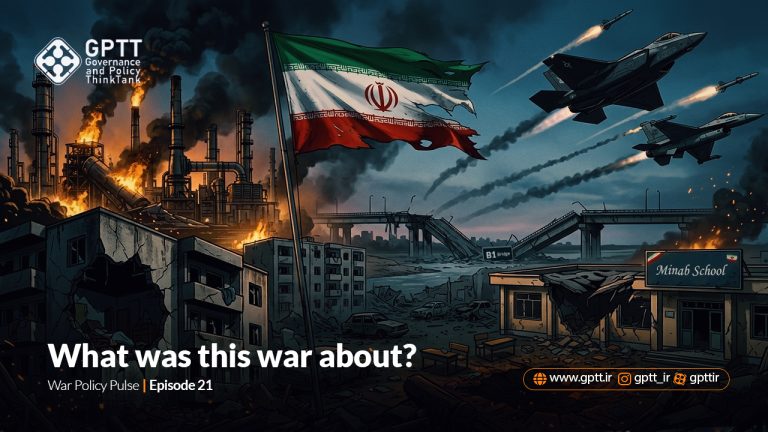
The geography of destruction suggests that the objective extended far beyond military targets.
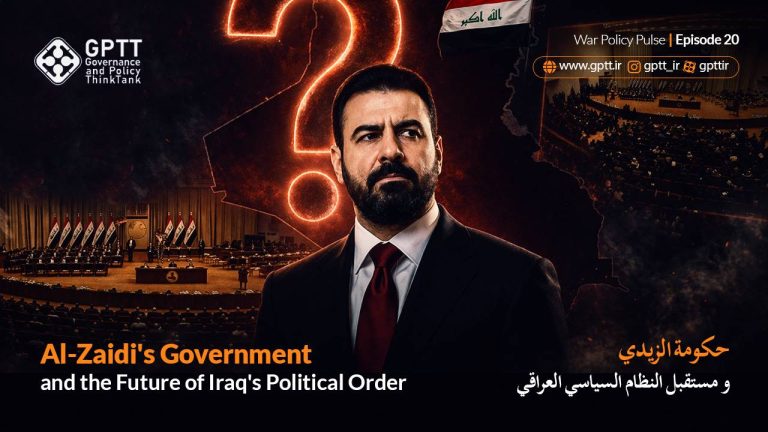
A fragile governing coalition must manage American pressure, internal rivalry and the future role of Iraq’s resistance groups.
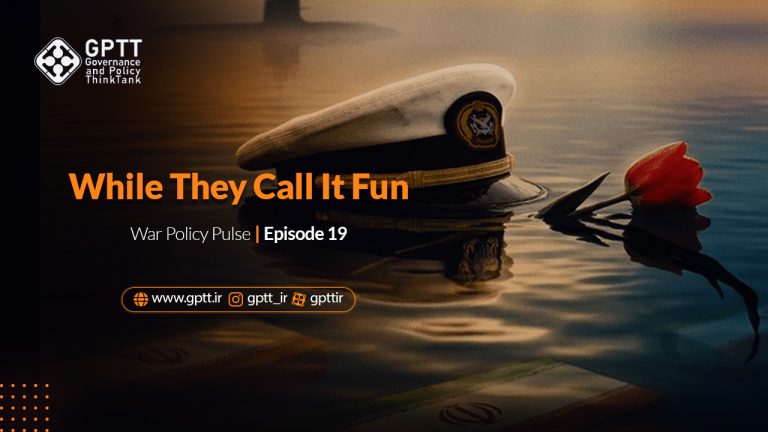
Most people find joy in ordinary life. In another world, power turns destruction and human suffering into entertainment.

China’s rise followed a deliberate sequence: build economic strength, finance military power and then act with greater autonomy.

Strategic failure becomes more likely when loyalty to power matters more than honest disagreement and professional judgment.
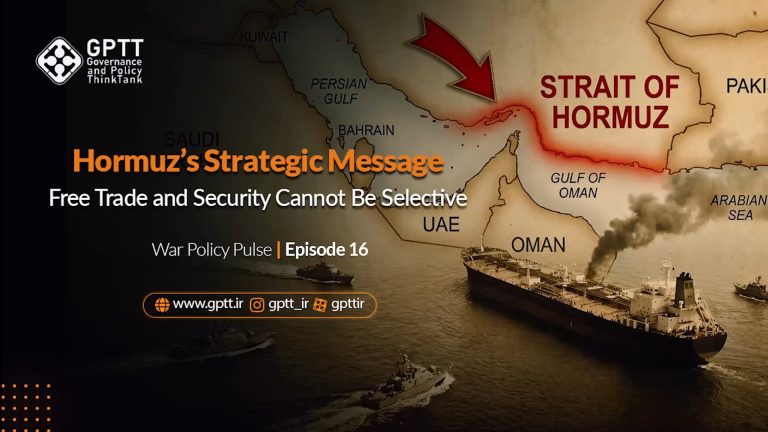
Free trade and maritime security cannot be treated as universal rights for some states and selective privileges for others.

When punishment is immediate for some states but silence surrounds graver cases, neutrality begins to look like a political choice.
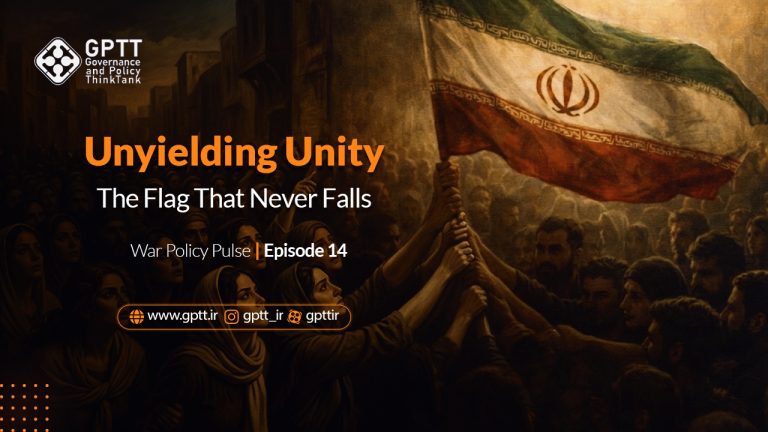
A flag held continuously by ordinary citizens became a living expression of collective responsibility and resilience.
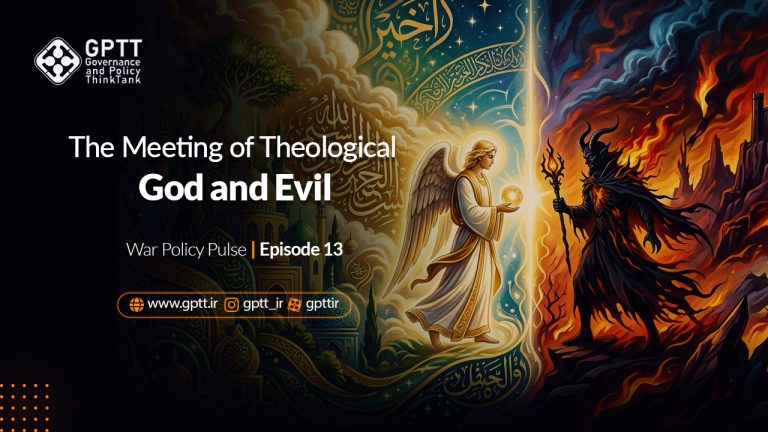
Western leaders often describe their opponents as irrational ideologues while relying on mythic and apocalyptic language themselves.
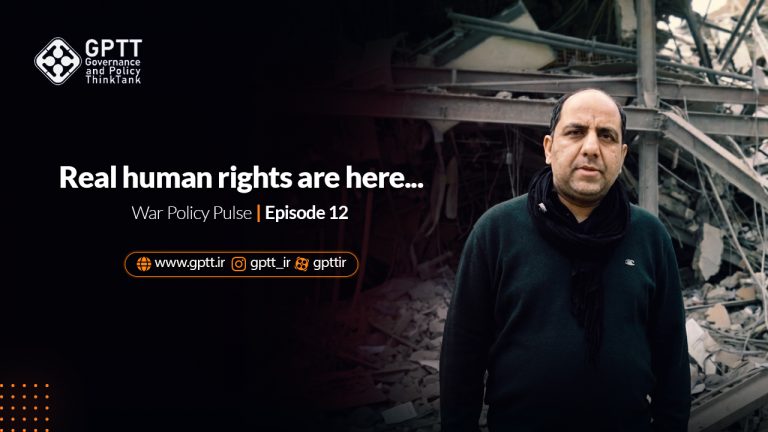
Human dignity becomes meaningful when it protects people and institutions at the moment they are most vulnerable.
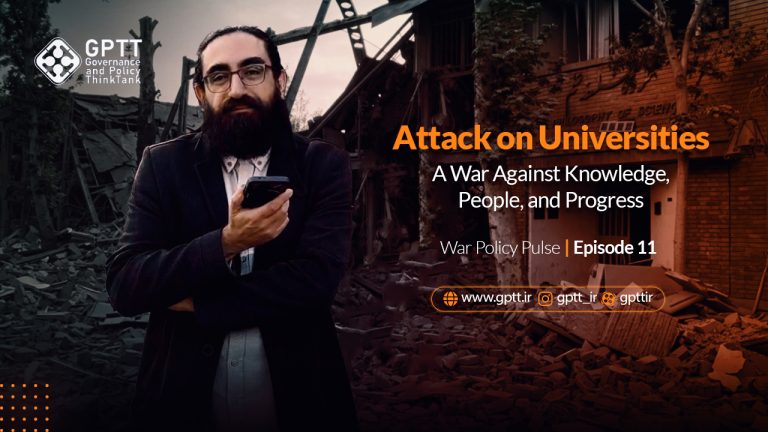
When universities become targets, the battlefield expands from military power to a society’s capacity to learn and rebuild.
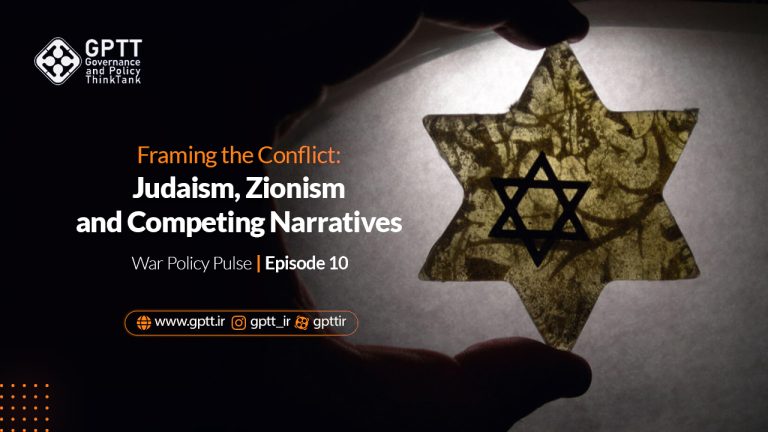
Iran’s long history of Jewish life challenges attempts to frame the present conflict as a struggle against Judaism.

A movement that promised to end endless wars now risks drawing the United States into another major conflict.
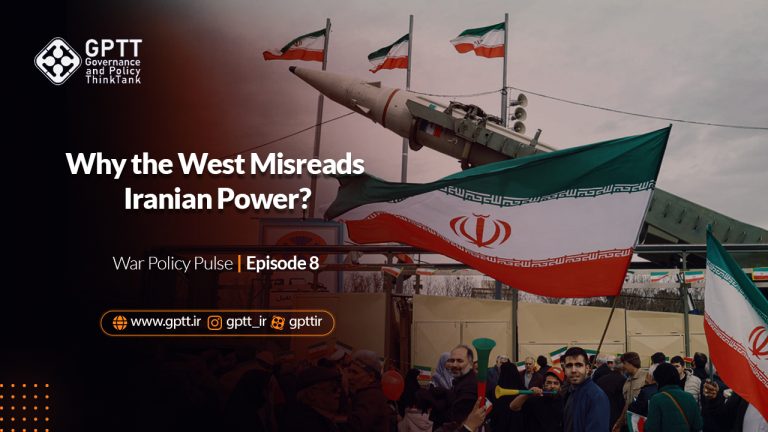
Iranian resilience is rooted less in individual leaders than in social coordination, historical memory and institutional depth.
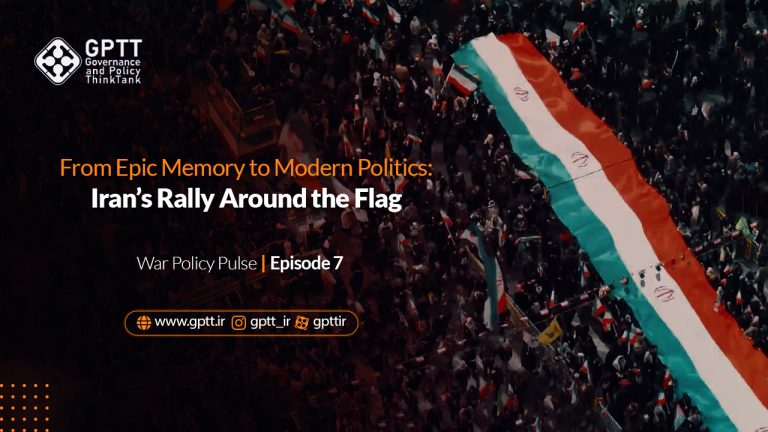
External threats often push internal divisions aside and create a powerful rally-round-the-flag response.
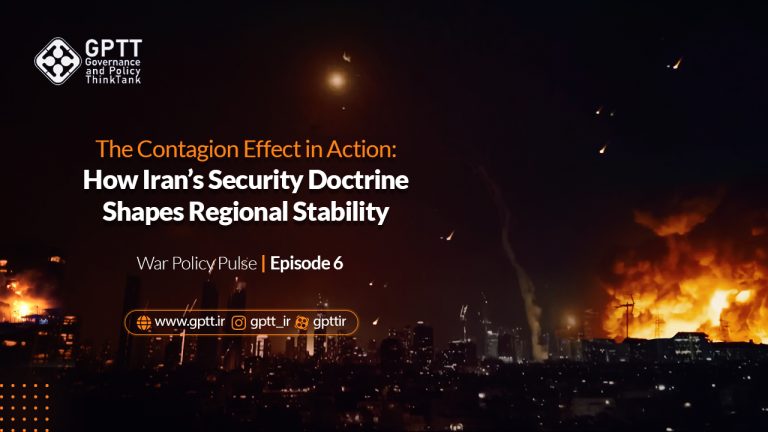
Iran’s security doctrine rests on a simple premise: instability rarely remains inside the borders where it begins.
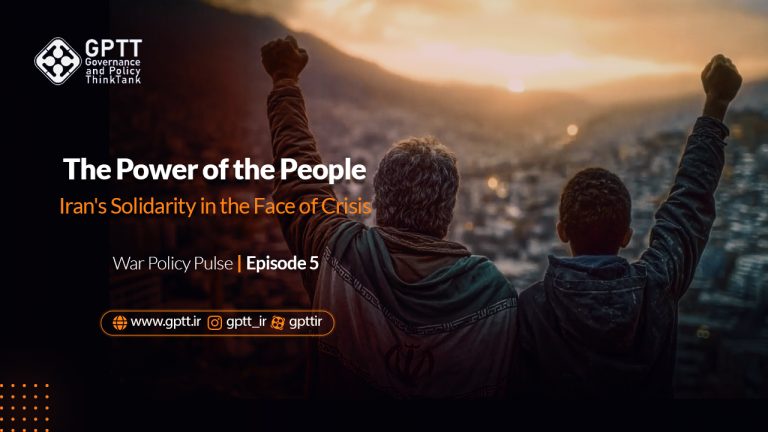
In the darkest moments of crisis, ordinary citizens can become the central infrastructure of national resilience.
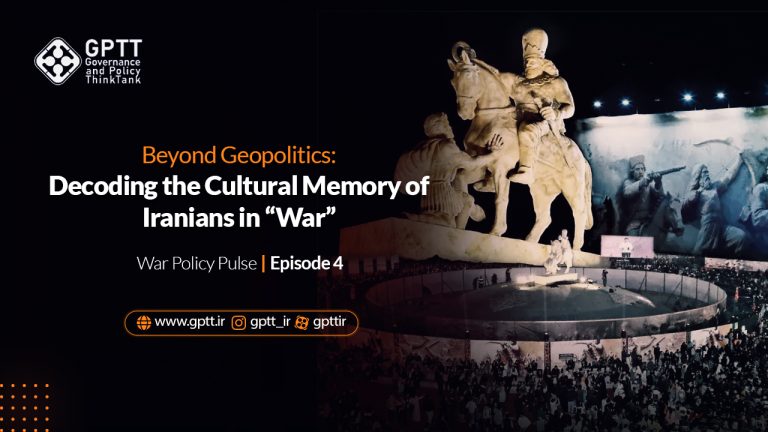
Military maps and cost-benefit models cannot fully explain how Iranian society understands and responds to war.
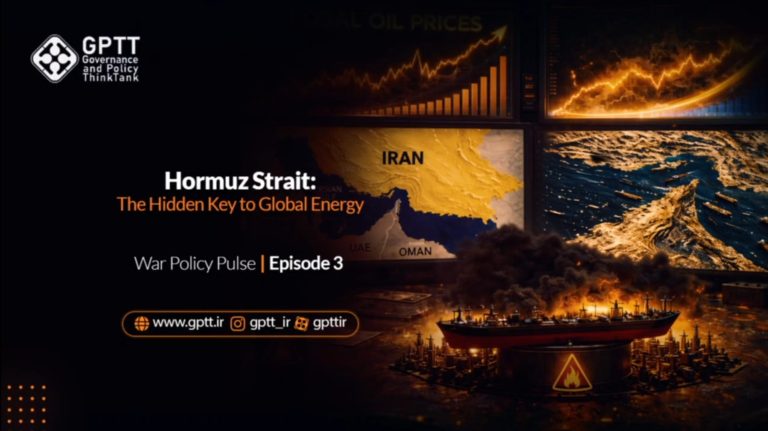
A narrow waterway in the Persian Gulf remains one of the most consequential arteries in the global economy.
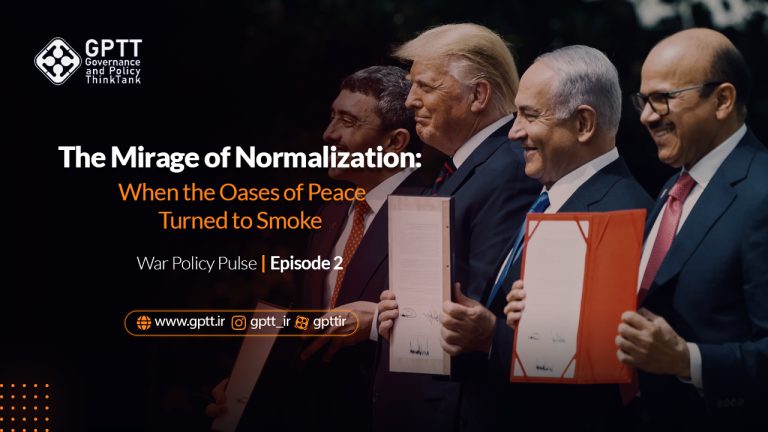
Normalization with Israel was presented as a path to peace and prosperity. Recent events tell a different story.
Can a regional security order built around permanent foreign military presence still deliver stability?