War Policy Pulse
The Strategic Message of Hormuz
Free trade and maritime security cannot be treated as universal rights for some states and selective privileges for others.
اتصال اینترنت را بررسی و دوباره تلاش کنید.
Episode 16
About this episode
Iran has traditionally relied more heavily on land-based economic and defense strategies than on the geopolitical potential of its long coastline and the Strait of Hormuz. Recent events raise two questions: why did Iran close the strait, and what should happen next?
The closure should be understood as a temporary wartime and deterrent measure—not a permanent policy. Iran’s long-term position is that Hormuz should remain open in peacetime. But safe passage and free trade cannot be defined one-sidedly: if global connection is essential for all, Iran cannot be excluded from the same rights through sanctions, blockade or military threat.
Continue watching
More from Policy Pulse
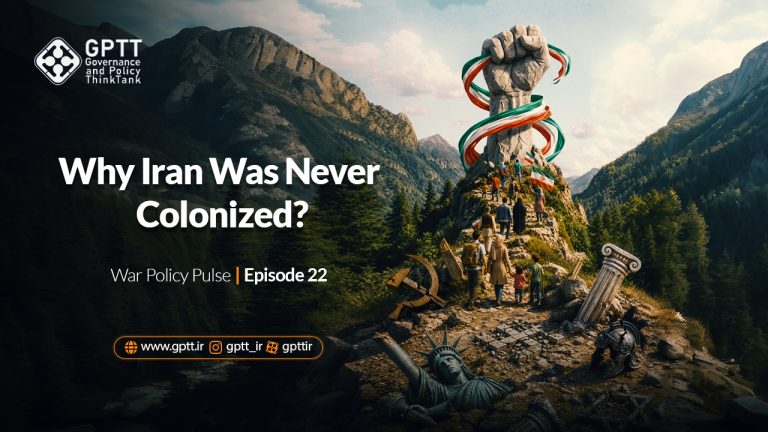
Why Was Iran Never Colonized?
Iran preserved its sovereignty through the interaction of internal agency, civilizational continuity and external constraints.
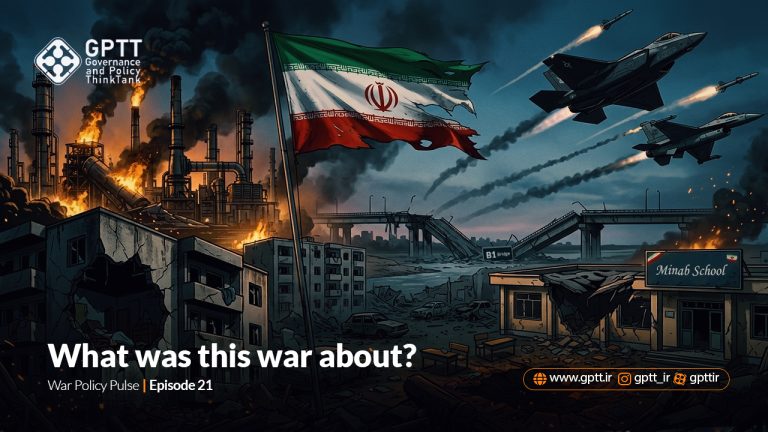
What Was This War About?
The geography of destruction suggests that the objective extended far beyond military targets.
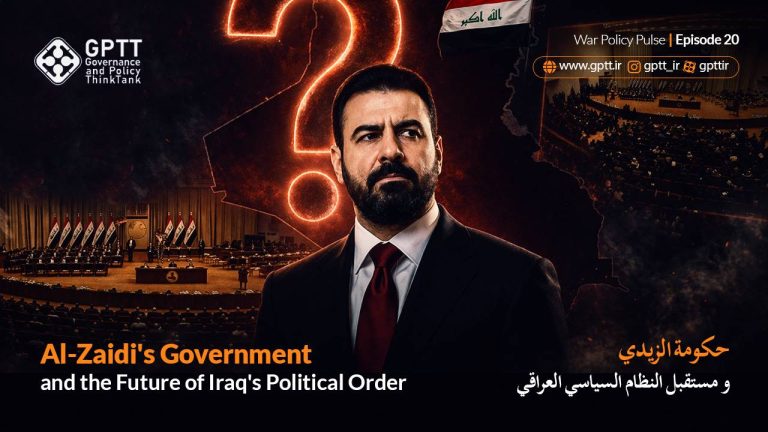
The Al-Zaydi Government and the Future of Iraq’s Political Order
A fragile governing coalition must manage American pressure, internal rivalry and the future role of Iraq’s resistance groups.